Teacher Response to Student Needs
Rationale to Practice
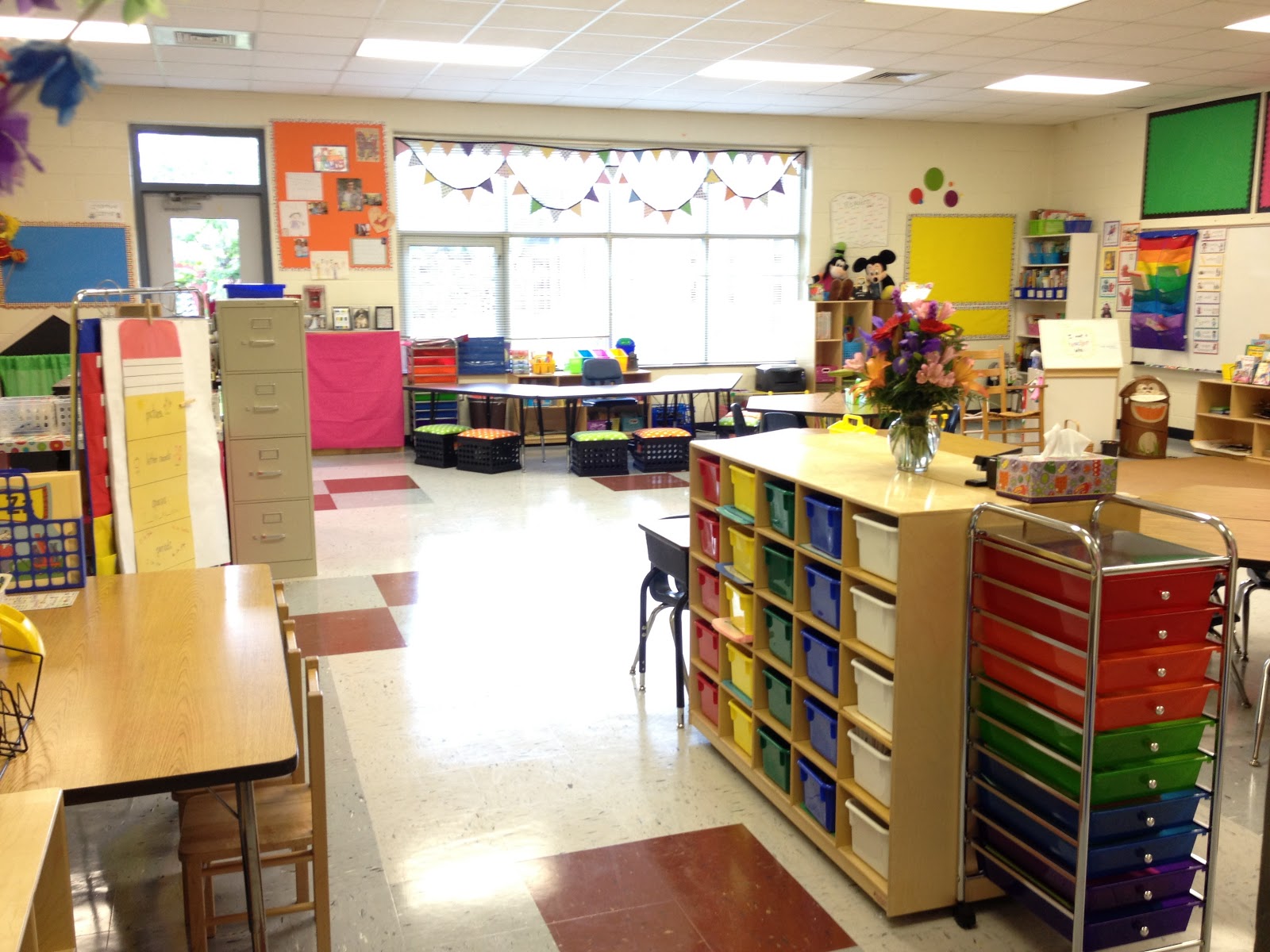
The Classroom Environment
Environment will support or deter the student’s quest for
affirmation, contribution, power, purpose, and the challenge
in the classroom.
Strategies to Build Positive Environments:
- Study Students’ Cultures
- Convey Status - Teachers need to commend each student in legitimate ways
- Make a Room for All Kinds of Learners
- Help Students Know About One Another - Morning Meetings
- Celebrate Success
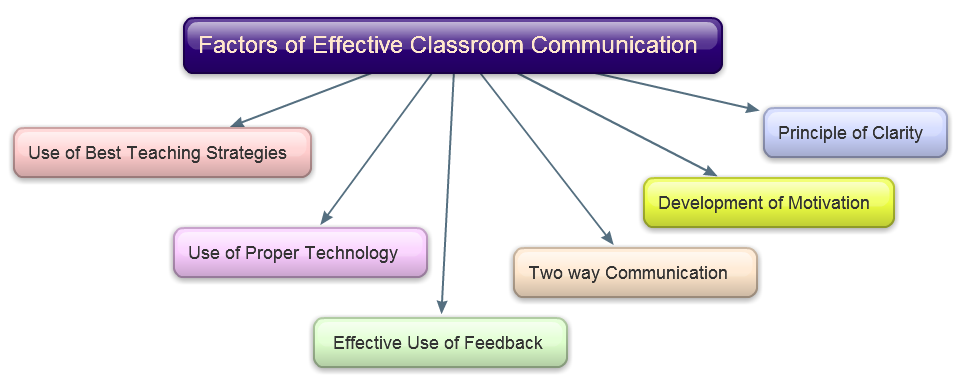
Communication in the Classroom
Teachers and students need to communicate effectively and efficiently,
that communication improves learning, and that everyone in the class shares
an evolving understanding of why the classroom operates as it does.
Roles of Communication:
Guidelines for Classroom Observation
Classroom guidelines are generally best conceived not as arbitrary rules recorded on paper, distributed to students, and discussed on the first day of class, but as agreements forged to ensure a classroom that supports maximum success for each of its learners.
We will show respect for people, their ideas, and their property
We will work hard to ensure our own growth and to assist the growth of others
We will persist, even when things are difficult and uncertain
We will accept responsibility for the quality of our work and for our behaviors and actions
Classroom Routines
Routines ensure that students understand how the class will begin and end,
how to keep records of their work, how to move around the classroom in acceptable ways,
how to use time wisely, how to figure out where they should be and what they should be doing
at any given time, where to put work when they finish,
how to get help when the teacher is working directly with others, and so on.
Support System
Supports for Learner Success:
Shared Responsibility in the Classroom
It’s important for teachers to make clear that they are counting on each student
to work with them as a team to improve the class every day.
Shared Responsibility:
Use evaluation checklists
Involve students in scheduling decisions
Engage students in assessing their own progress
Help students learn to set their own academic goals